Buying a Used Car
What to Check Before Buying a Used European Car
A practical guide to buying a used European car: what to check in the service history, tyres, brakes, electronics, options and previous repairs, and how to budget for ownership.
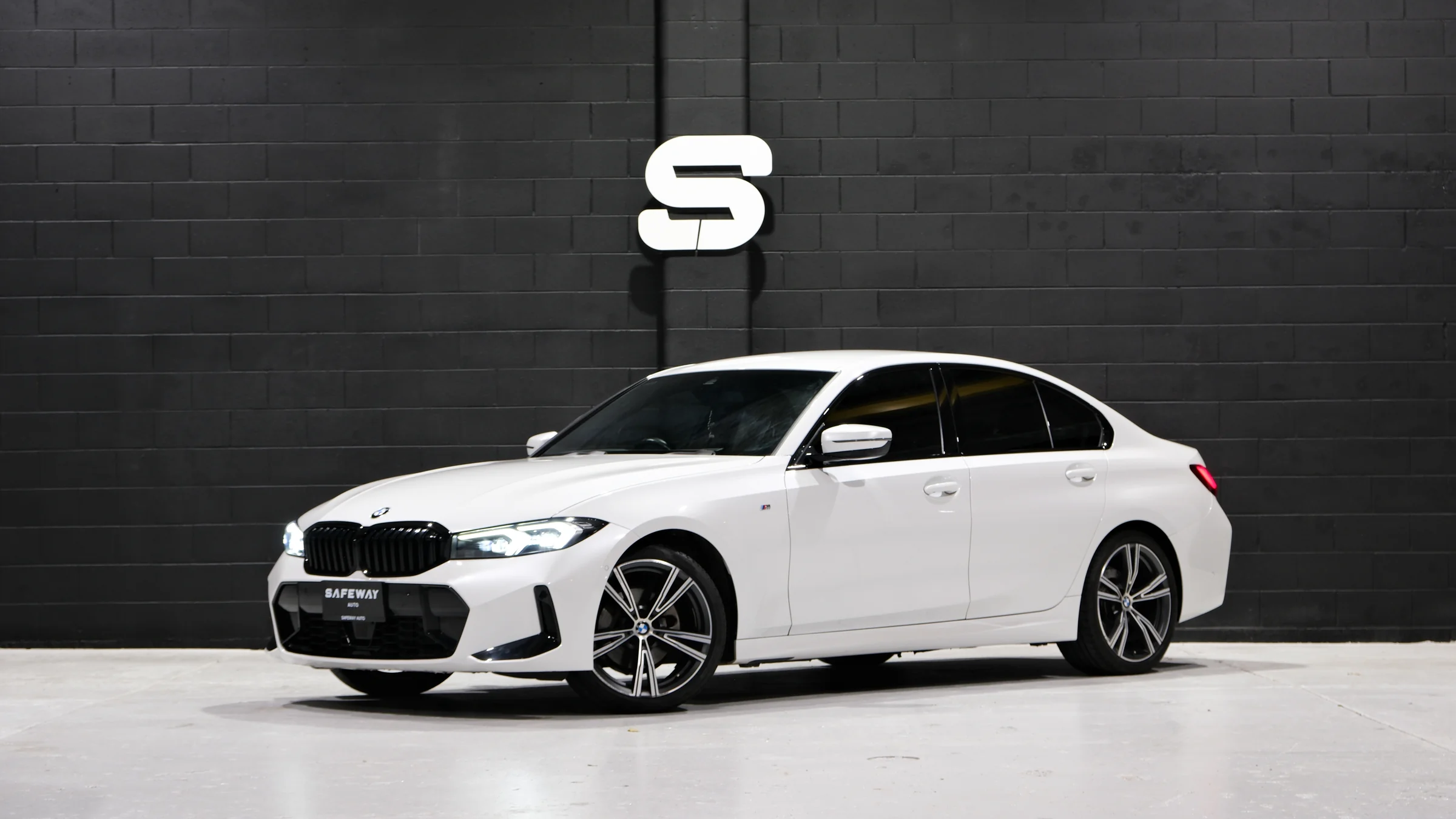
A used European car can be excellent value — if you buy the right one
European cars often become particularly attractive on the used market.
A vehicle that was expensive when new can become available several years later for a fraction of its original price while still offering strong performance, safety, comfort and technology.
That does not automatically make every used European car a bargain.
The purchase price is only the beginning.
Condition, servicing, specification and previous ownership matter enormously.
At Safeway Auto, we regularly assess European vehicles, and the difference between two apparently similar cars can be substantial.
Service history comes first
For many European cars, documented servicing is one of the first things we want to see.
Modern European vehicles can use sophisticated engines, transmissions, cooling systems, electronics, suspension and emissions equipment.
Maintenance that has been postponed by one owner often becomes the next owner’s expense.
Look for service records that make sense for the age and kilometres of the vehicle.
Do not focus only on whether a service book has stamps.
Consider what work was actually completed.
Understand the specific engine and drivetrain
A BMW 3 Series, Mercedes-Benz GLC, Audi Q5 or Volkswagen Tiguan may be sold with several different engines and drivetrains.
Ownership experience can vary significantly between them.
Before buying, understand exactly which engine, transmission and drivetrain the car has.
Check whether there are known maintenance requirements associated with that particular version.
This matters more than simply researching the model name.
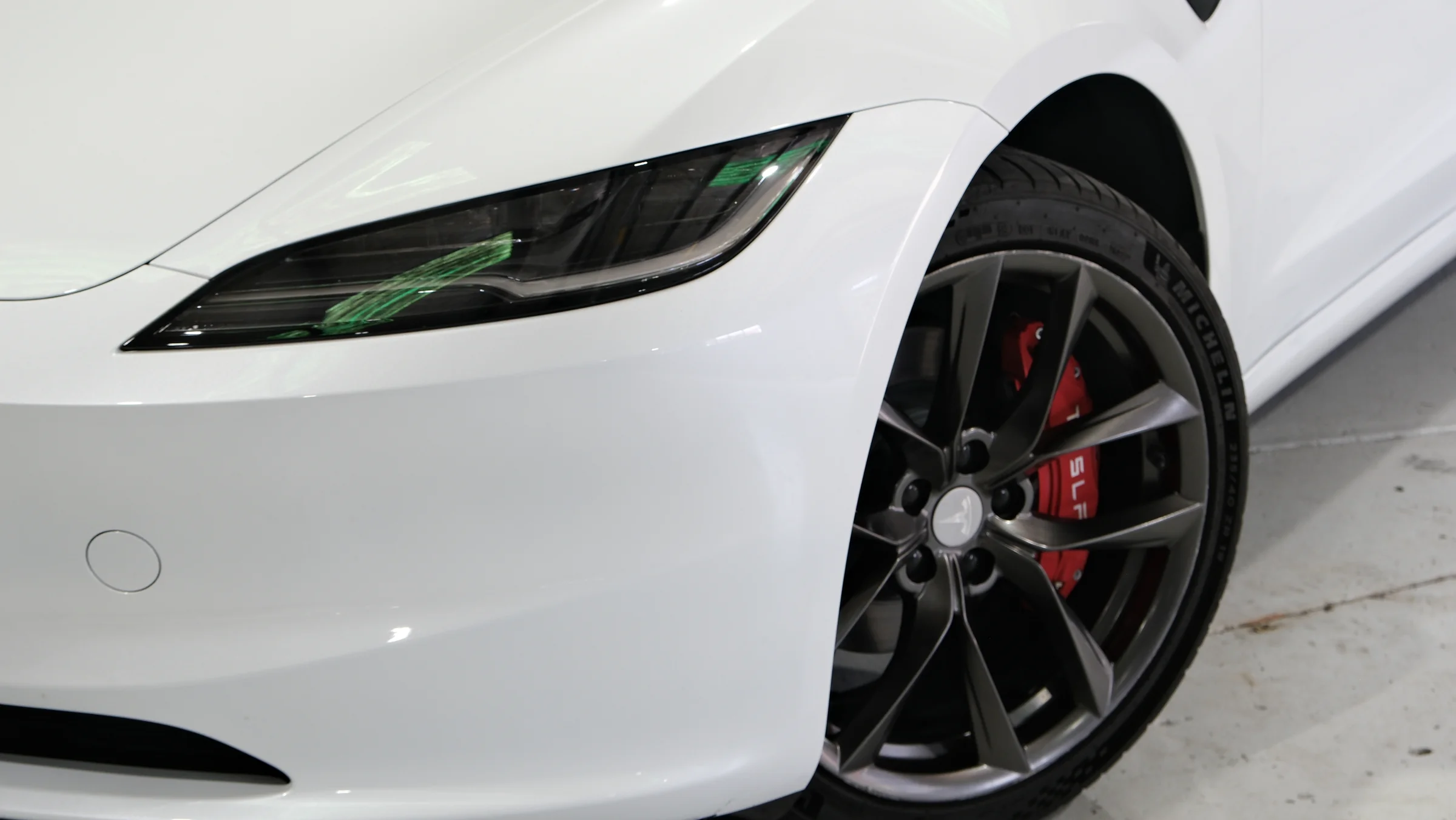
Tyres can tell you a lot
Tyres are easy to overlook, but they tell a story.
Check:
- tread depth;
- whether all four tyres are appropriate and of similar quality;
- uneven wear;
- tyre age;
- sidewall damage;
- and whether premium or unusual tyre sizes will be expensive to replace.
Large European SUVs and performance models can use expensive tyres.
A vehicle needing four tyres soon after purchase may change the economics of what initially looked like a good deal.
Check the brakes
Brake replacement costs can also be significant, particularly on larger, heavier or performance-oriented vehicles.
Look at brake-disc condition and remaining pad life where possible.
A car with attractive paint and a clean interior can still require meaningful mechanical expenditure immediately after purchase.
Test every electronic feature
Modern European vehicles may have a long list of equipment:
- electric seats;
- memory functions;
- cameras;
- parking sensors;
- adaptive lighting;
- powered tailgates;
- panoramic roofs;
- climate-control zones;
- infotainment systems;
- digital dashboards;
- driver-assistance features;
- and numerous control modules.
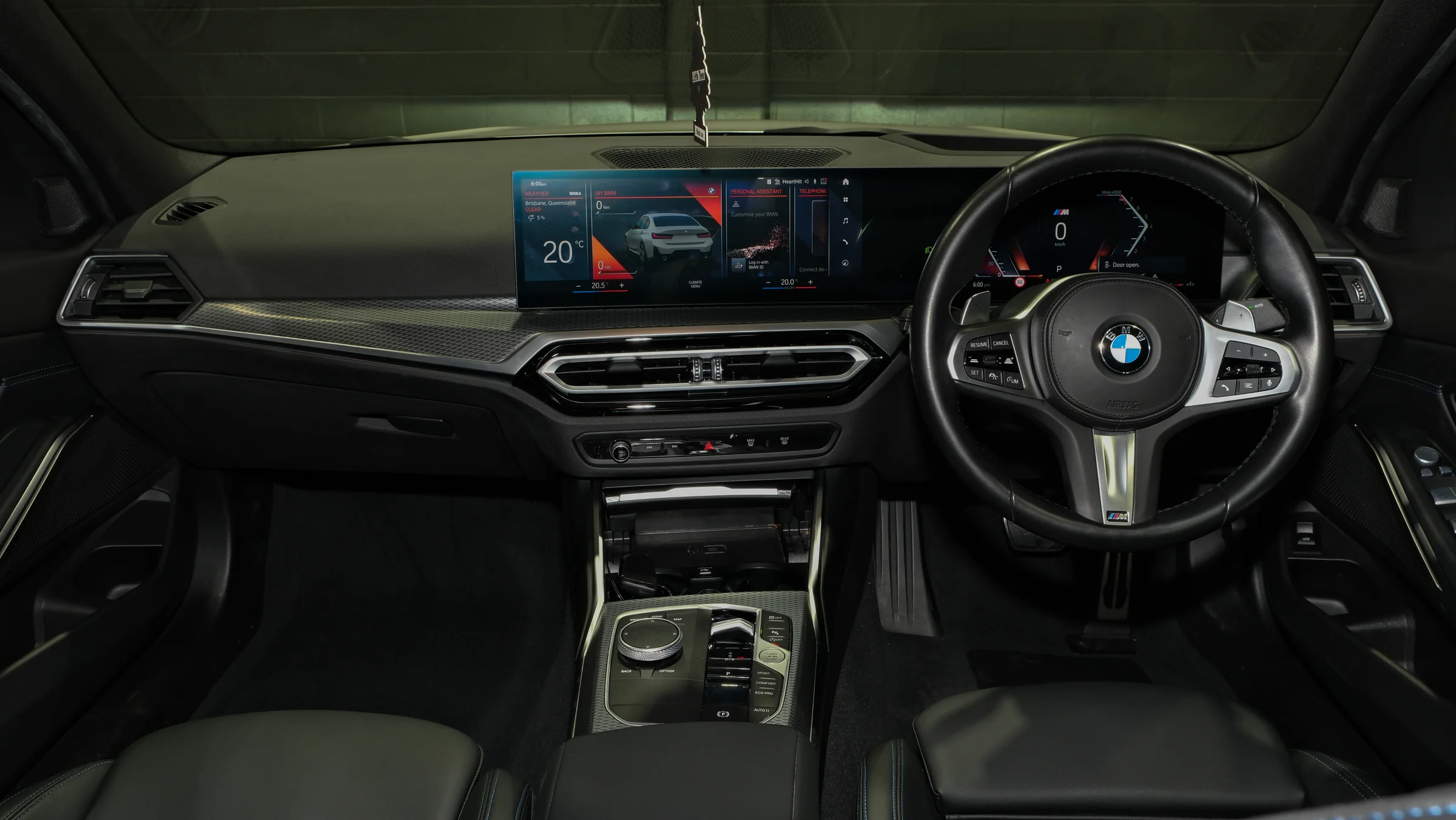
Test the equipment rather than assuming it works because it appears on the specification list.
Small electronic faults can sometimes be surprisingly expensive to diagnose.
Make sure the advertised options are actually fitted
European manufacturers often offer long option lists.
Two cars that look almost identical can have very different specifications.
Do not assume that every car has a feature simply because another example online does.
Confirm the actual equipment fitted to the specific vehicle.
This is particularly relevant for packages involving:
- upgraded headlights;
- driver-assistance systems;
- premium audio;
- sports seats;
- suspension;
- wheels;
- cameras;
- panoramic roofs;
- and interior trim.
Specification affects both enjoyment and value.
Look carefully for previous repairs
A PPSR check remains important, but it should not replace physical inspection.
A clean PPSR result does not necessarily mean the vehicle has never had body or paint repairs.
Check panel alignment, paint consistency, overspray, wheel condition, trim and repair quality.
Previous cosmetic repairs are not automatically a reason to reject a car.
What matters is understanding what has been done and whether it has been repaired properly.
Low kilometres are not everything
Low kilometres can be appealing, but they do not erase age or poor maintenance.
A slightly higher-kilometre vehicle with excellent documented servicing can sometimes be a better purchase than a lower-kilometre example with weak history.
Consider kilometres together with age, service records, previous use and overall condition.
Budget for ownership, not only purchase price
Before buying a European car, think beyond the advertised price.
Consider:
- servicing;
- tyres;
- brakes;
- registration;
- insurance;
- fuel or charging;
- upcoming maintenance;
- and the cost of parts relevant to the particular model.
A car that fits your purchase budget should also fit your ownership budget.
Pre-purchase inspection can be worthwhile
If you are buying privately or from a source where you are not confident about the condition, an independent pre-purchase inspection can be useful.
It will not predict every future repair, but it can help identify visible faults, wear and items requiring attention.
For a complex or higher-value vehicle, spending money on inspection before buying can be sensible.
Should you avoid used European cars?
No.
The right European vehicle can be an excellent used-car purchase.
The key is buying on condition, history and specification rather than badge and price alone.
We would rather own a properly maintained European car with sensible kilometres than a neglected example bought simply because it looked cheap.
Buying a used European car in Brisbane
Safeway Auto is a boutique used car dealership at 4 Ferry Road, West End, Brisbane.
Our inventory regularly includes European vehicles alongside Japanese, Korean, Australian-market, hybrid and electric models.
We assess each car individually rather than assuming that one brand is always good or bad.
If you are looking for a particular vehicle that is not currently in stock, our vehicle sourcing service can also help search for a suitable example.
If you have a question about a particular car, get in touch with us.
Continue with Safeway Auto
About Safeway Auto
Safeway Auto is a boutique used car dealership at 4 Ferry Road, West End, Brisbane. We select late-model vehicles with clear history and documented servicing, and we also help people sell, trade in, consign and source cars.