Model Guides
What to Check When Buying a Used Tesla Model 3 or Model Y in Australia
A practical checklist for buying a used Tesla Model 3 or Model Y in Australia, from battery health and warranty to charging, tyres and transferring the car into your own Tesla account.
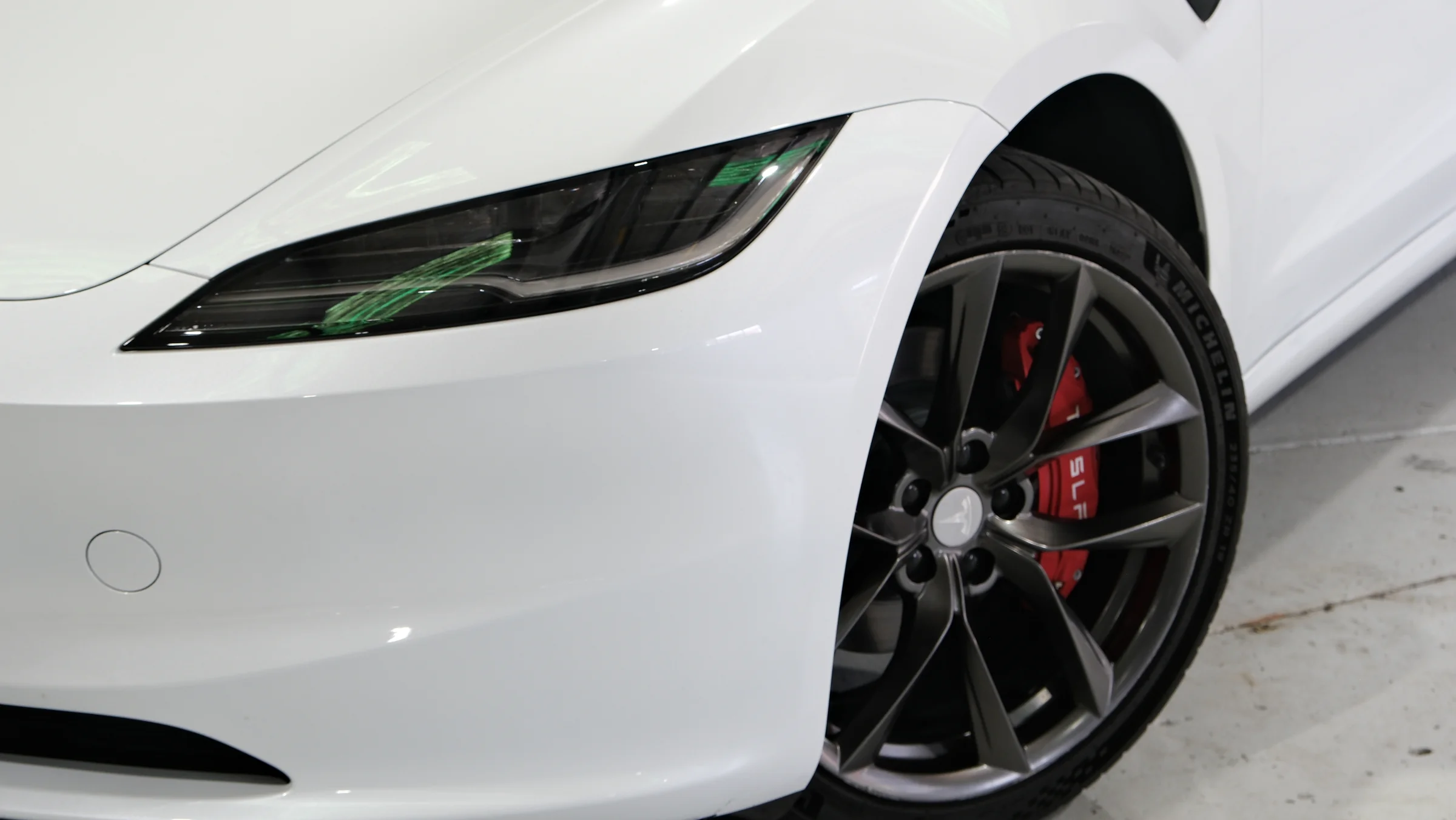
A used Tesla is still a used car
Tesla’s Model 3 and Model Y are two of the most popular electric cars on Australian roads, so there are plenty of used examples to choose from.
Many of the checks are the same as for any used car: vehicle history, a PPSR check, service records and overall condition. We cover those in how we select used cars.
A Tesla also has a few things that are specific to electric vehicles and to the way Tesla sells and supports its cars. These are the ones worth understanding before you buy.
1. Know exactly which model and version you are looking at
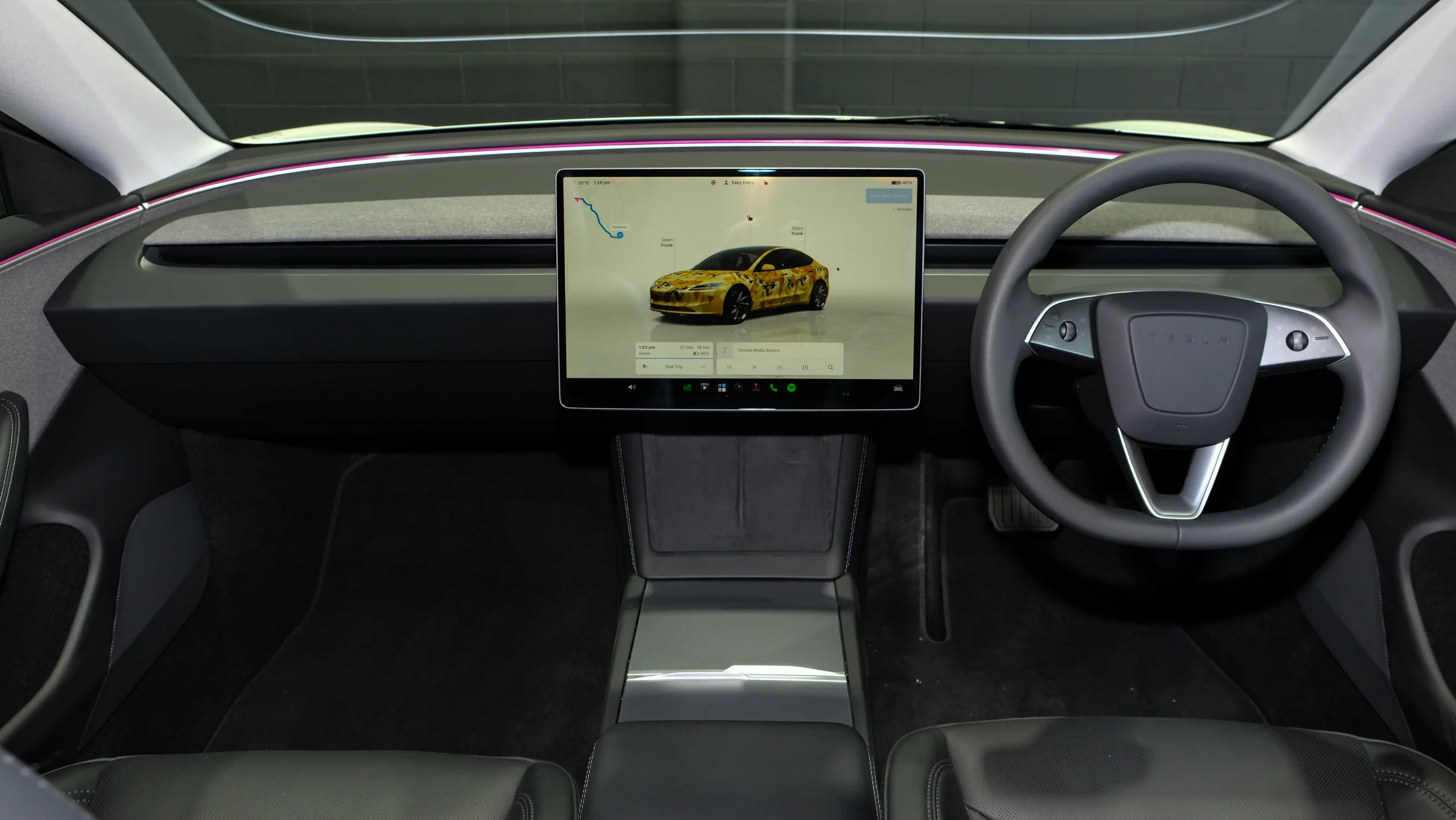
The Model 3 received a significant update for the 2024 model year, often called “Highland”, and the Model Y followed with its own update in 2025. Updated and earlier versions differ in cabin design, ride and equipment, so compare like with like when looking at prices.
Each model has been offered in different variants, such as Rear-Wheel Drive, Long Range and Performance. The variant affects range, performance and warranty, and it can also affect the battery type.
Rear-wheel-drive Model 3 and Model Y cars supplied in Australia generally use an LFP (lithium iron phosphate) battery, while Long Range and Performance variants use a different chemistry. Tesla’s charging guidance differs between them: LFP cars are generally recommended to be charged to 100% regularly, while the others are usually kept lower for daily driving. The owner’s manual for that specific car is the reference to follow.
Check the variant on the car itself. The software screen on the touchscreen shows the model and variant, rather than relying on the advertisement title.
2. Look at battery health, not just kilometres
Every lithium-ion battery loses some capacity over time. A small reduction is normal and expected.
The range shown when the car is fully charged, compared with what that variant was rated for when new, can give a rough indication. Treat it as an estimate only: temperature, recent driving and how recently the battery was fully charged all affect the number.
It is also worth asking how the car has mostly been charged. A car charged mainly at home is not automatically better than one that has used fast chargers, but the charging history is useful context alongside the kilometres.
If you want more certainty, ask whether a battery health report is available, or have the car assessed before purchase.
3. Check how much warranty remains
Tesla Australia’s published Battery and Drive Unit warranty for the Model 3 and Model Y is 8 years or 160,000 km for rear-wheel-drive variants, and 8 years or 192,000 km for Long Range and Performance variants, whichever comes first, with a minimum 70% battery capacity retention over that period.
The basic vehicle warranty has changed over time. Earlier cars were covered for 4 years or 80,000 km, while new Model 3 and Model Y vehicles delivered from 1 January 2026 have 5 years with unlimited kilometres for private use.
For a used car, what matters is how much of that cover remains. That depends on the original delivery date and the current odometer reading. Tesla’s warranty generally stays with the vehicle when it changes hands, but confirm the remaining cover for that specific car before you buy.
4. Confirm software features and subscriptions
Some Tesla features are bought as one-off software upgrades, while others are subscriptions linked to the owner’s Tesla account. Driver-assistance packages, acceleration upgrades and premium connectivity are common examples.
Subscriptions belong to the previous owner’s account and normally end when the car is transferred. Check which features are actually active on the car, rather than relying on what the advertisement says.
It is also worth checking that the car has been receiving software updates.
5. Tyres, suspension, glass and body
Electric cars are heavy and deliver their torque instantly, so tyres can wear faster than some buyers expect. Check tread depth, look for uneven wear and factor replacement tyres into the price if they are due.
Listen for knocks or creaks over bumps, check that the car tracks straight, and look closely at the alloy wheels for kerb damage.
The large glass roof is worth checking for chips or cracks, as replacement can be expensive. As with any car, look at paint finish and panel gaps for signs of previous repairs, and make sure the doors, windows, cameras and charge port door all work properly.
6. Think about how you will charge it
Australian-delivered Model 3 and Model Y vehicles use the CCS2 charging standard, so they can use Tesla Superchargers as well as many other public DC fast chargers.
Most owners do the majority of their charging at home. If you are buying your first EV, consider whether you will use a standard power point or install a dedicated wall charger, and allow for the cost of an electrician if needed.
Check which charging cables come with the car, as this varies.
7. Make sure ownership transfers properly
There are two separate transfers to complete.
The first is the registration transfer through your state’s transport authority, as with any used car.
The second is the Tesla account. The previous owner should remove the car from their Tesla account so that you can add it to yours. Tesla may ask for identification and proof of ownership. If there is finance owing on the car, it needs to be settled first, which is another reason a PPSR check matters.
Ask for the key cards and make sure the previous owner’s phone keys and account access have been removed.
How Safeway Auto approaches used Teslas
Safeway Auto is a boutique used car dealership at 4 Ferry Road, West End, Brisbane.
When we consider a used Tesla, we apply the same selection process we use for every car and look closely at the EV-specific items above, including battery and charging information, tyres and software features.
You can see any Teslas we currently have on our current vehicles page. If you are looking for a specific Model 3 or Model Y, our vehicle sourcing service can help find one that suits your requirements.
Warranty terms and charging guidance change from time to time, so always check Tesla Australia’s current published terms and the owner’s manual for the specific car. If you have a question about a particular vehicle, get in touch with us.
Continue with Safeway Auto
About Safeway Auto
Safeway Auto is a boutique used car dealership at 4 Ferry Road, West End, Brisbane. We select late-model vehicles with clear history and documented servicing, and we also help people sell, trade in, consign and source cars.