Buying a Used Car
Buying a Used Electric Car in Brisbane: What to Check
What to check before buying a used electric car in Brisbane: battery health and warranty, charging at home, hail and heat, software and accounts, and the Queensland costs.
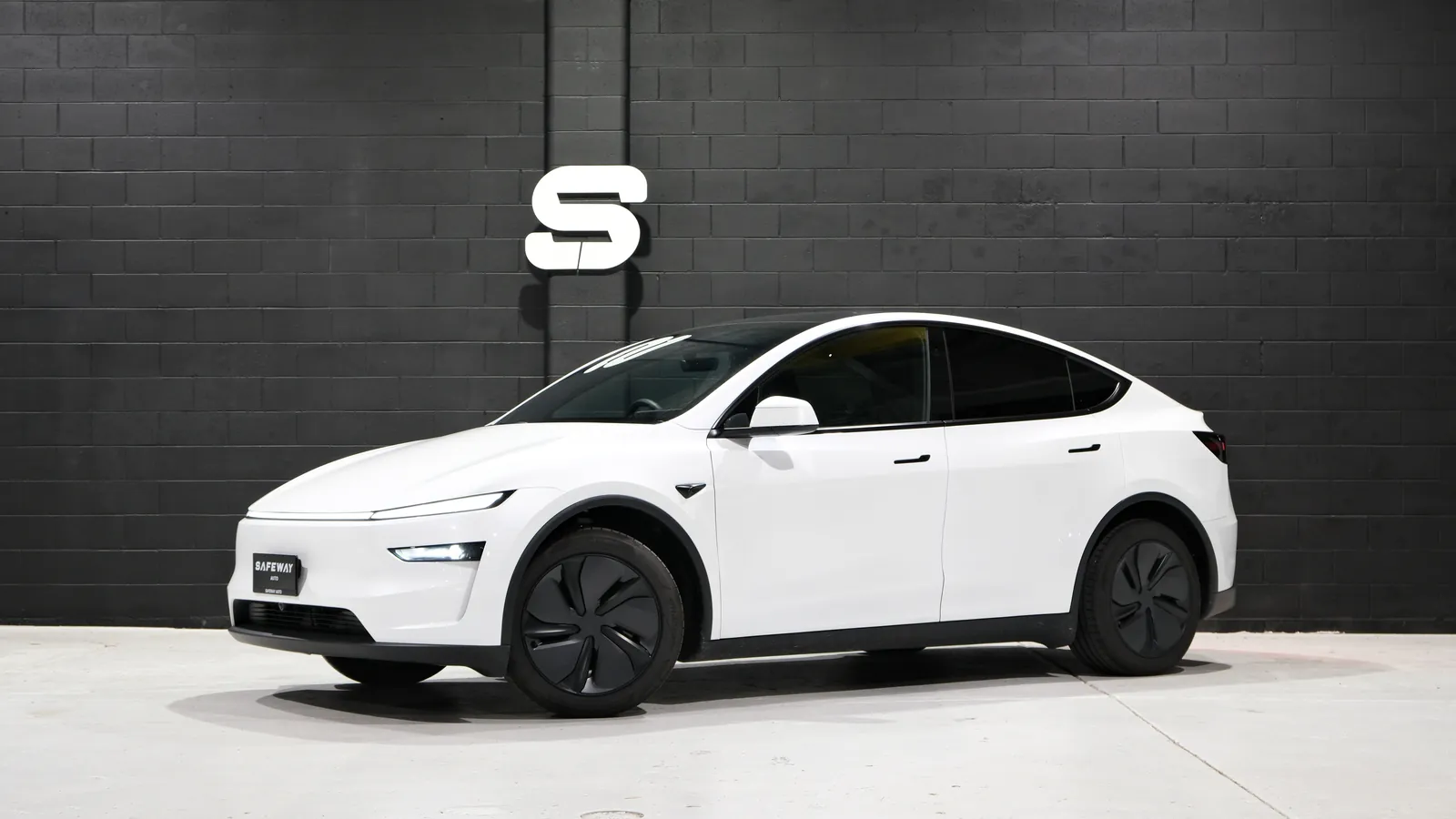
More people are asking us about used electric cars. Prices have come down, there are more of them on the road, and the running costs are attractive. But an electric car is a little different to buy second-hand, and some of the usual checks don’t tell you much.
Here is what I look at when a used electric car comes in, and what I would want to know if I were buying one myself.
Start with the battery
The high-voltage battery is the most expensive part of an electric car. Every battery slowly loses some capacity over time, which means a little less range. That is normal. What you want to know is how this car’s battery is holding up compared with others of the same age and kilometres.
Ask what range the car shows at full charge, and compare it with what the model was rated for when new. Some cars can run a battery health check, and a service centre can often give you a report. If a seller can’t tell you anything about the battery, that’s worth asking about before you go further.
How much battery warranty is left?
Most electric cars come with a separate battery warranty that is longer than the main warranty. Tesla, for example, covers the battery in the Model 3 and Model Y rear-wheel drive for 8 years or 160,000 km, and the Long Range and Performance versions for 8 years or 192,000 km, whichever comes first, with at least 70% of the capacity retained. Other brands have their own terms. Check the start date and kilometres, and confirm the warranty transfers to you as the next owner.
Work out how you will charge it
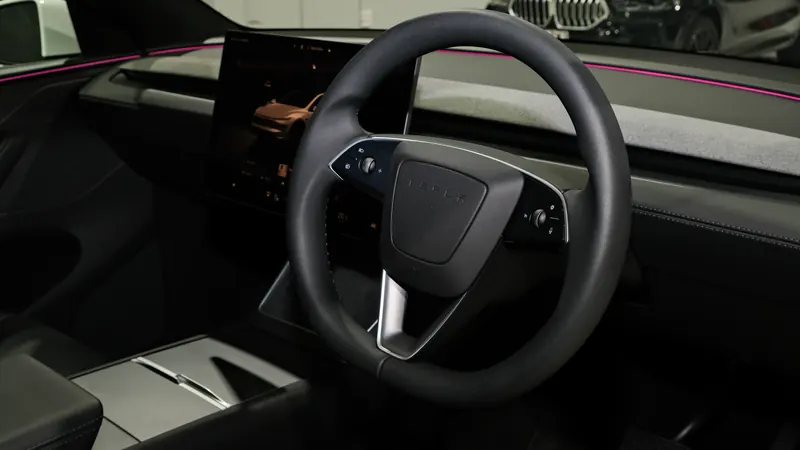
This is the question I ask every buyer. If you can charge at home, an electric car is easy to live with. You plug in at night and leave with a full battery. A standard power point works, but it is slow. Many owners install a wall charger.
If you live in a unit or can’t charge at home, you will rely on public chargers. Brisbane has a growing number, but check what is near where you live and work before you commit.
Also check which charging cables come with the car. They are easy to forget and not cheap to replace.
Brisbane-specific checks
Hail
Brisbane storms bring hail, and hail-damaged cars do come onto the market. Look along the roof, bonnet and boot lid in good light, ideally from an angle. Glass roofs are common on electric cars, so check them carefully too. A PPSR check will show if the car has been written off, but not every repaired car has been.
Heat
Electric cars manage battery temperature themselves, and they cope with Queensland summers. Still, ask how the car was kept. A car that lived in a garage has usually had an easier life than one parked in the sun every day.
Tyres
Electric cars are heavy and have a lot of instant torque, so tyres can wear quicker than you might expect. Check the tread depth and look for uneven wear.
Software and accounts
Many electric cars are connected to an app and an owner account. Make sure the previous owner has removed the car from their account so it can be added to yours, and that all the keys and key cards are handed over. Some features are tied to the owner or a subscription rather than the car, so confirm what is included.
Software updates also matter. Ask whether the car is up to date, and check for any outstanding recalls by VIN on the Australian Government’s vehicle recall register.
The Queensland costs
Queensland charges electric vehicles a lower vehicle registration duty rate than most petrol and diesel cars: $2 for every $100 of the dutiable value up to $100,000, and a higher rate above that. Electric cars are also registered in the same class as 1 to 3 cylinder vehicles, the lowest of the cylinder groups. You can check current registration costs on the Queensland Government website.
The usual checks still apply
An electric car still needs everything you would check on any used car: a clear PPSR, a service history, a safety certificate if you are buying it registered in Queensland, and a proper test drive. Listen for knocks and rattles from the suspension, and make sure every feature and screen works.
If you are buying from a licensed dealer, you may also be covered by Queensland’s statutory warranty. You can read more about buying from a dealer or a private seller, and if you are looking at a Tesla, our used Tesla Model 3 and Model Y checklist goes into more detail.
How we choose the electric cars we sell
Every electric car we sell has to pass the same checks as the rest of our cars, including a clear PPSR and a full service history, plus a look at the battery and the software. You can read how we select used cars.
Quick answers
How do I check the battery on a used electric car?
Compare the range at full charge with the rated range when new, ask for a battery health report if one is available, and check how much of the battery warranty is left.
How long is the Tesla battery warranty in Australia?
For the Model 3 and Model Y, 8 years or 160,000 km for rear-wheel drive versions and 8 years or 192,000 km for Long Range and Performance versions, with at least 70% capacity retained.
Is registration cheaper for electric cars in Queensland?
Electric cars are registered in the same class as 1 to 3 cylinder vehicles, the lowest cylinder group, and pay a lower vehicle registration duty rate of $2 per $100 up to $100,000.
Do I need a home charger?
Not necessarily, but home charging makes an electric car much easier to live with. A standard power point works slowly, and many owners install a wall charger.
Looking for a used electric car in Brisbane?
See our current cars, book a test drive at our West End showroom, or ask our vehicle sourcing service to find the electric car you want.
Continue with Safeway Auto
About Safeway Auto
Safeway Auto is a boutique used car dealership at 4 Ferry Road, West End, Brisbane. We select late-model vehicles with clear history and documented servicing, and we also help people sell, trade in, consign and source cars.